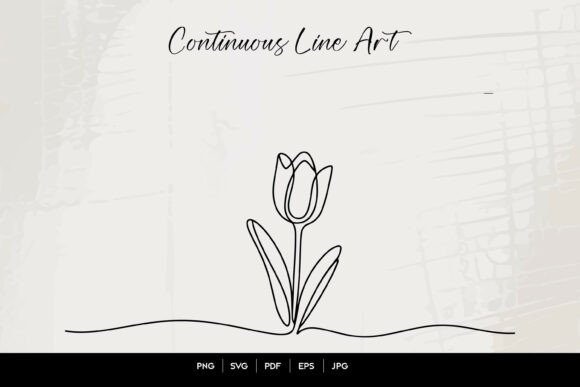
Minimal Tulip Flower Line Art Design: A Brand Designer’s Practical Review for Local Business Branding
First Impressions: A Subtle Yet Memorable Visual Signature
The Minimal Tulip Flower Line Art Design immediately strikes a chord with its elegant simplicity. As a brand designer, I’m always on the lookout for assets that can quietly elevate a brand without overpowering its message. This design does exactly that. Its clean, flowing lines suggest a modern, feminine, and slightly organic aesthetic—perfect for small businesses looking to communicate sophistication with a touch of warmth. It doesn’t scream for attention but instead supports a brand’s personality with a soft, confident presence.
Ideal Brand Personalities and Business Types
This minimalist tulip illustration would be a natural fit for a boutique coffee shop, a natural skincare brand, or a small-batch candle business. Its abstract, one-line floral motif evokes a sense of calm and refinement, making it ideal for brands that want to feel approachable yet polished. It leans more toward the soft, decorative side of design—great for businesses that want to feel handmade, artisanal, or eco-conscious. It wouldn’t suit a luxury financial brand or a high-tech startup, but for a local florist or a boutique tea brand, it could be just the visual touch they need.
Real-World Applications for Small Business Branding
One of the key strengths of this graphic design asset is its versatility. As a brand designer, I can see myself using it across a wide range of local business branding materials. Here’s how it could come to life in a real project:
- Product Labels: A small, tasteful tulip accent could elevate a handmade soap label or a specialty jam jar.
- Packaging Design: It would work beautifully as a subtle background pattern on tissue paper or as a decorative header on a product box.
- Social Media Graphics: Paired with soft pastel tones, it adds a touch of elegance to Instagram stories or Pinterest visuals.
- Thank-You Cards & Stickers: A printed version of this design would add a personal, boutique feel to customer thank-you packs.
- Business Cards: Used as a corner accent, it adds a unique visual element without cluttering the layout.
- Seasonal Campaign Visuals: The tulip theme makes it perfect for spring-themed promotions or limited-edition packaging.
Supporting Business Presentation and Customer Trust
A consistent visual identity is crucial for small businesses trying to stand out in competitive markets. The Minimal Tulip Flower Line Art Design helps create that consistency across different touchpoints. When used strategically, it enhances the visual hierarchy of a brand, guiding the customer’s eye and reinforcing brand recognition. For example, seeing the same tulip motif on a coffee shop’s packaging, social media, and business card builds a sense of familiarity and trust.
It also supports a more professional appearance, especially for handmade sellers or local food businesses that might otherwise struggle with a “homemade” look. A clean, minimalist design like this can elevate the perceived value of the product, making it more appealing on store shelves or in online marketplaces.
This design shines when used as a decorative brand element rather than a primary logo or headline. It’s perfect for:
- Packaging Accents: Adds a refined touch to boxes, tags, or wrapping without competing with the product.
- Hero Graphics on Websites or Social Media: Serves as a stylish background or header graphic.
- Product Mockups: Enhances digital presentations for e-commerce or client proposals.
- Seasonal Packaging: Especially effective for spring or floral-themed product lines.
- Boutique Visuals: Works well in curated, aesthetic-driven brand environments like gift shops or artisan markets.
Like any design asset, there are situations where this tulip line art should be used carefully. Avoid placing it on:
- Formal Corporate Branding: Its soft, decorative nature may not align with a serious or luxury brand tone.
- Very Small Labels: The fine lines may lose clarity when scaled down too much.
- Crowded Product Packaging: Can get lost or clash with other design elements.
- Ingredient-Heavy Layouts: Better to use it as a supporting graphic, not a central one.
- Low-Contrast Backgrounds: Ensure visibility by testing it in different color contexts.
- Luxury Minimalist Brands: May feel too casual or decorative for ultra-sleek aesthetics.
Before finalizing this asset for a client or personal project, here are a few key checks I always perform:
- Test on Real Packaging Mockups: See how it looks in context—does it enhance or distract?
- Check Black and White Usage: Confirm it still reads well without color.
- Preview on Small Labels: Make sure the lines remain visible and crisp.
- Test with Brand Colors: Does it complement your brand palette?
- Compare with Competitor Packaging: Is it distinctive enough?
- Check Print Quality: Especially important for vector formats like SVG and EPS.
- Review PNG Transparency: Useful for overlaying on different backgrounds.
- Inspect SVG or Vector Editability: Make sure it’s easy to modify in design software.
- Test Beside Different Fonts: Try it with serif, sans-serif, script, and display fonts to ensure compatibility.
- Confirm Commercial Licensing: Always verify that the asset can be used for client work or physical product sales.
Final Thoughts: A Valuable Addition to Any Brand Designer’s Toolkit
The Minimal Tulip Flower Line Art Design is more than just a pretty illustration—it’s a functional graphic design asset that supports real branding needs. Whether you’re designing for a local bakery, a handmade soap business, or a boutique gift shop, this design offers a subtle yet effective way to enhance your visual identity. It brings a sense of elegance and warmth that resonates with customers, all while being flexible enough to work across multiple formats.
For small business owners and creative entrepreneurs, investing in quality design assets like this can make a noticeable difference in how your brand is perceived. It’s not just about looking good—it’s about building trust, standing out, and creating a cohesive experience that customers remember.